Keychain Cut Plans for Laser Cutting & Keychains
As a digital product creator who has spent years navigating the ups and downs of online marketplaces, I approach every new graphic design asset with a critical eye. It is not just about whether a file looks pretty; it is about whether it can be transformed into a viable commercial design that generates revenue. Recently, I evaluated a collection titled Keychain Cut Plans, specifically looking at its potential for Laser Cutting projects and broader Keychains production. My goal was to determine if this asset could serve as the backbone for a new product line in my shop, suitable for everything from Etsy listings to high-volume print-on-demand orders.
My first impression of the Keychain Cut Plans was one of utilitarian versatility. Unlike many decorative bundles that lean heavily into specific aesthetics like "boho" or "farmhouse," these files feel industrial yet accessible. The visual personality is clean and functional, which is exactly what you need when designing for physical fabrication. This niche appeal targets a specific buyer: the maker who values precision and the small business owner running a booth at local craft fairs. It feels less like a whimsical illustration and more like a professional tool, suggesting a premium, handmade quality that customers are willing to pay for.
Adapting the Asset for Diverse Product Lines
While the primary intent of these files is clearly for creating physical Keychains, a savvy digital seller knows how to stretch a single digital product across multiple categories. In my test scenario, I imagined launching a seasonal collection on Creative Fabrica and Shopify. The core strength of Keychain Cut Plans lies in its adaptability. Because the files include formats like AI, SVG, and EPS, they are immediately ready for a wide range of applications beyond just laser cutting.
For instance, I could easily convert these cut paths into SVG design files for Cricut users looking to make vinyl stickers or heat transfer projects. The same shapes could be rasterized into high-resolution PNG design files for sublimation. Imagine using these outlines to create custom t-shirt design graphics for a niche audience of mechanics or hobbyists, or applying them as mug design elements for a corporate gift bundle. The geometric nature of the plans also makes them excellent candidates for planner stickers, greeting cards, and even invitation templates where a technical or architectural vibe is desired.
Furthermore, these assets can be integrated into Canva template kits. A user could drag and drop these shapes into a social media post to promote their own handmade goods, effectively turning the asset into a social media graphics tool. For those selling digital download bundles, combining these cut plans with digital paper packs or scrapbooking kits adds significant perceived value to the listing.
Enhancing Product Presentation and Brand Identity
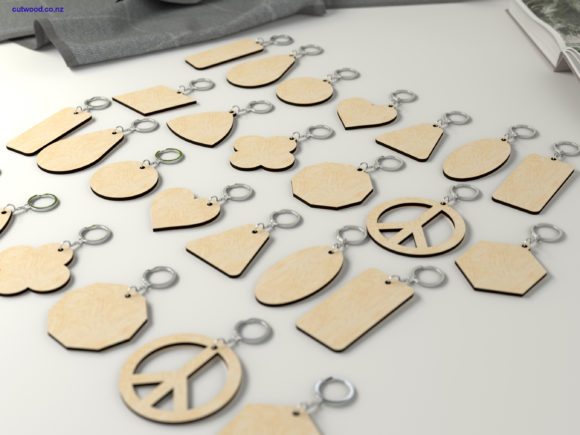
In the crowded landscape of the creative marketplace, presentation is everything. The Keychain Cut Plans offer a unique opportunity to improve visual hierarchy in product listings. When creating product mockup images for an Etsy product page, using these precise cut lines helps demonstrate the functionality of the final item. It builds customer trust because the buyer can clearly see how the layers fit together or how the material will be utilized.
I tested these files by creating thumbnail previews for a hypothetical design bundle. The clean lines of the plans stood out well against both white and dark backgrounds, which is crucial for click-through potential. By pairing the technical drawings with a bold display font or a clean sans serif font, I was able to create a cohesive brand identity that screamed professionalism. This kind of consistency is vital for small business branding, especially when trying to establish a reputation for high-quality handmade business goods.
The files are particularly effective for packaging design concepts. If you are selling a physical keychain, using the cut plan to design the backing card or the box insert creates a unified unboxing experience. This attention to detail elevates the perceived value of the item, allowing sellers to command higher price points.
Strategic Implementation and Material Considerations
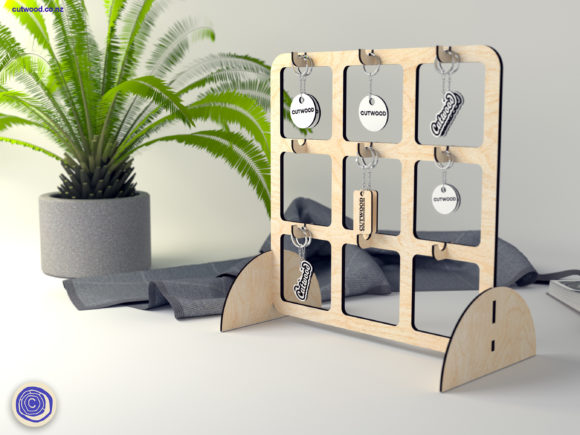
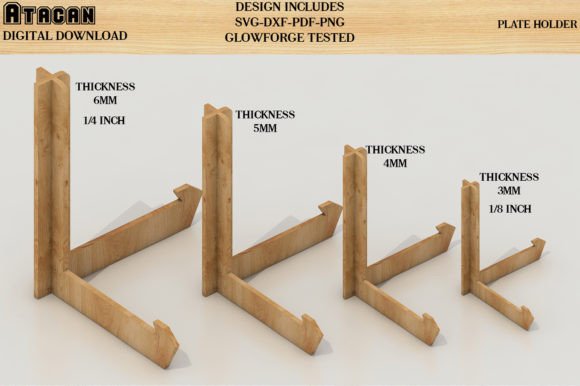
One of the most valuable aspects of this asset is its flexibility regarding material thickness. The documentation notes that various thickness materials can be used, which is a game-changer for sellers targeting different markets. Whether you are using 3mm acrylic for a sleek, modern look or 6mm wood for a rustic, handmade feel, the plans accommodate these variations. This makes the asset ideal for market stalls, shop displays, and fair stalls where durability and visual impact are paramount. A robust keychain display built from these plans can serve as both inventory and marketing material at a local event.
However, there are areas where caution is required. While the files are great for structural components, they might be too complex for tiny sticker design details if not scaled correctly. Overly intricate cuts can lead to weeding nightmares for vinyl users or fragile breakage points in thin materials. Additionally, when using these for print-on-demand items, one must ensure the resolution is sufficient for large-format prints. Crowded thumbnails or low-contrast setups can obscure the precision of the cut lines, confusing potential buyers.
Practical Seller Notes for Commercial Success
Before publishing any listing based on Keychain Cut Plans, I recommend a rigorous testing phase. First, test the design on real mockups to ensure the proportions look correct in a retail setting. Preview the files as marketplace thumbnails to check their visibility on mobile devices. It is essential to check how the designs look on both white and dark backgrounds to ensure versatility for your customers.
If you are offering these as part of a sublimation design pack, test print colors to ensure the lines remain crisp. Verify PNG transparency if you are providing rasterized versions, and always inspect the SVG cut quality to ensure there are no open paths that could ruin a Cricut project. Confirming file resolution is non-negotiable for any printable design intended for commercial use.
Organization is key. When delivering these files to customers, organize them clearly by file type and suggested material thickness. Pairing these technical assets with appropriate typography—such as a technical serif font or a playful handwritten font depending on the target demographic—can help buyers visualize the end product. Finally, and most importantly, confirm the commercial license terms. Ensure you have the rights to sell finished products or derivative works like tote bag prints and tumbler wraps.
In conclusion, Keychain Cut Plans is a robust design asset that bridges the gap between digital files and physical manufacturing. For the experienced seller, it offers a reliable foundation for building a diverse catalog of merchandise graphics and functional goods. By understanding its strengths in Laser Cutting and adapting it for broader digital selling opportunities, you can create a professional, profitable product collection that stands out in the competitive world of online commerce.