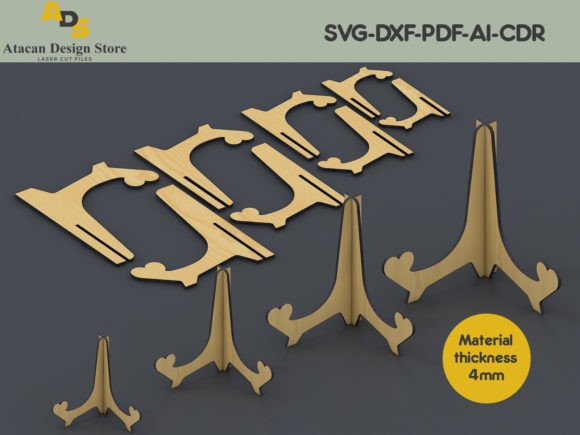
Plate Display Templates: Fresh Graphics for Editorial Use
As a digital publisher who spends half my life tweaking pixel-perfect layouts for high-traffic blogs, I am always skeptical of new graphic design assets that promise to elevate content. We have all downloaded files that look great in the preview but fall apart when placed next to a bold headline or compressed for mobile viewing. However, after spending the morning integrating Plate Display Templates Wooden Plate D into a live editorial workflow, I found a versatile tool that bridges the gap between rustic charm and modern web design.
My first impression was defined by its tactile warmth. In an era of flat, sterile vector art, this asset brings a grounded, lifestyle-focused mood to the screen. It feels inherently educational yet decorative, making it a perfect fit for niches like home organization, culinary arts, DIY crafting, or sustainable living. When I dropped the template into a draft for a "Top 10 Kitchen Hacks" article, it immediately established a visual hierarchy that felt inviting rather than salesy. For bloggers and newsletter creators, this kind of subtle emotional cue is vital; it tells the reader, "This content is crafted with care," before they even read the first sentence.
Integrating Rustic Aesthetics into Modern Publishing Workflows
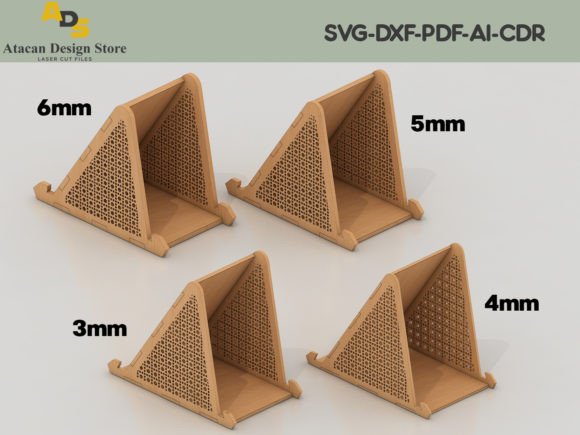
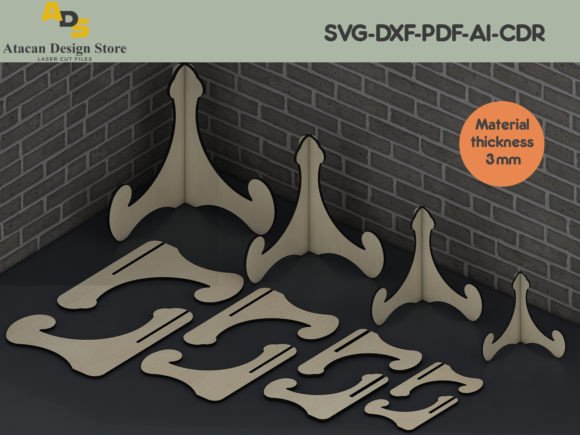
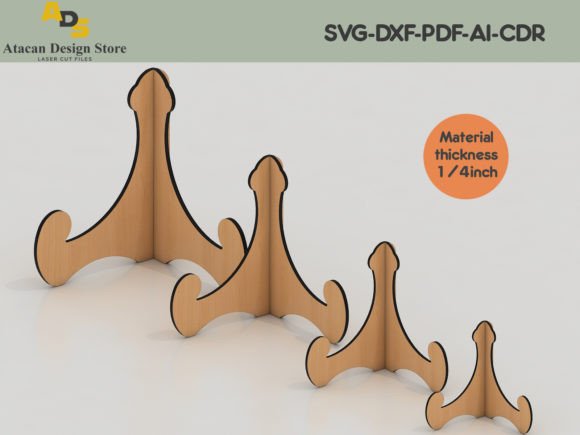
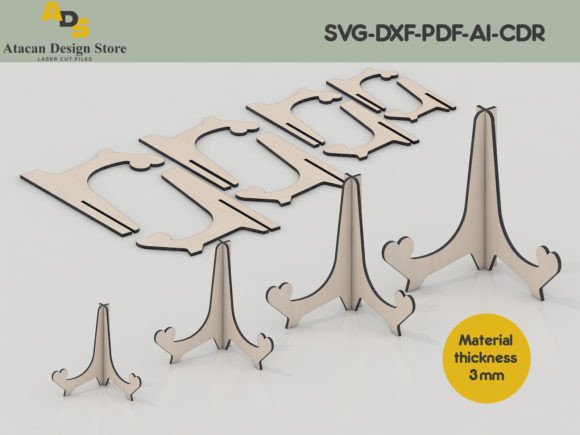
The true test of any design asset is its adaptability across different formats. I pulled Plate Display Templates Wooden Plate D into my standard publishing stack to see where it held up. While the original specifications note that these files are engineered for laser cutting machinery like the Glowforge Pro, supporting formats such as SVG, DXF, PDF, AI, and CDR, their utility extends far beyond physical fabrication. For the digital publisher, these vector paths are gold mines for creating custom blog graphics and Pinterest pins.
I successfully used the clean lines of the template to create a series of category thumbnails for a food blog. Because the design is scalable, it retained its crisp edges whether viewed as a massive website header or a tiny sidebar widget. The asset shines particularly bright when used for digital guides and lead magnets. Imagine a downloadable checklist for "Pantry Organization" where the bullet points are framed by these wooden plate motifs; it transforms a boring text document into a branded, premium printable design. This level of polish increases perceived value, which is crucial for converting free subscribers into paying customers in the affiliate marketing space.
Boosting Click-Through Rates with Visual Consistency
In the crowded landscape of content marketing, consistency builds trust. Readers are more likely to click on content that looks professionally curated. By adopting Plate Display Templates Wooden Plate D as a recurring visual element, you strengthen your brand identity. I tested this by creating a set of social media teasers where the plate graphic served as a consistent frame for product photos. The result was a cohesive feed that screamed "established authority" rather than "amateur hobbyist."
The asset supports stronger visual performance in several key areas:
- Hero Images: It provides a textured background that adds depth without distracting from the main headline.
- Article Headers: The organic shape breaks up the rigid grid of standard blog layouts, drawing the eye naturally to the title.
- Newsletter Graphics: Using the template as a divider or border in email campaigns adds a touch of elegance that increases engagement.
- Social Media Previews: The distinct silhouette stands out in the chaotic scroll of Instagram and Facebook feeds.
However, every designer knows that not every tool fits every job. There are scenarios where Plate Display Templates Wooden Plate D should be used with caution. If you are designing for a serious corporate niche, such as financial advising or legal tech, the rustic, wooden aesthetic might clash with the required tone of严肃 professionalism. Similarly, avoid using it on small mobile thumbnails where the intricate details of the wood grain or cut lines might blur into noise. It also struggles in low-contrast environments; if your background is a dark brown or busy pattern, the template will vanish. Always ensure there is enough negative space to let the design breathe.
Practical Notes for the Digital Publisher
Before you commit to using this asset in a monetized project, there are practical steps to take. First, test the rendering on both desktop and mobile screens. What looks sharp on a 27-inch monitor can look muddy on a smartphone. I recommend previewing the graphic inside your actual blog layout, not just in your design software. Place it beside your primary typography choices. I found it paired beautifully with serif fonts for a classic editorial look, but it also created an interesting contrast with modern sans-serif and handwritten display fonts.
Performance is another critical factor. Since these files originate from laser-cut specifications, they can sometimes contain excessive anchor points if not optimized. Ensure you compress the images properly for web use to avoid slowing down your page load times—a cardinal sin for SEO. Furthermore, while the versatility of these Graphic Templates is impressive, always review the licensing terms. Confirm that you have a commercial license if you plan to use them in products you sell, such as Canva templates for others, eBook covers, or paid digital downloads.
Ultimately, Plate Display Templates Wooden Plate D is more than just a file for a laser cutter; it is a foundational element for building a warm, trustworthy visual language. Whether you are an online educator creating worksheets, a small business owner branding your shop, or a creative entrepreneur launching a new digital product, this asset offers the flexibility to create modern design solutions that feel handmade and authentic. By leveraging its strengths in editorial design and understanding its limitations, you can significantly upgrade the visual quality of your content publishing projects.