Card Display: A Designer's Review for Embroidery Projects
As a designer who spends more time staring at stitch maps than most people care to admit, I approach every new machine embroidery design with a mix of curiosity and skepticism. We've all been there: you download a file that looks crisp on the screen, only to find it turns into a puckered mess once the needle hits the fabric. So, when I came across the Card Display, my first instinct wasn't to rush to the hoop, but to evaluate its potential as a functional asset for real-world projects.
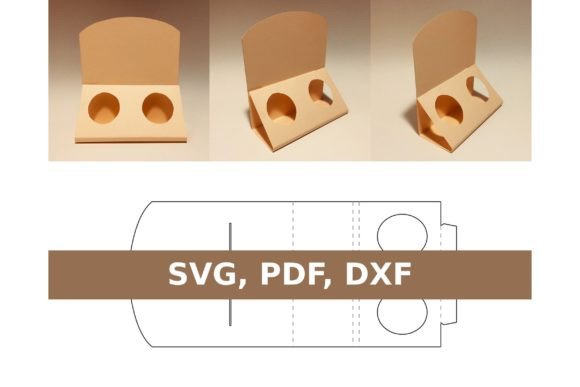
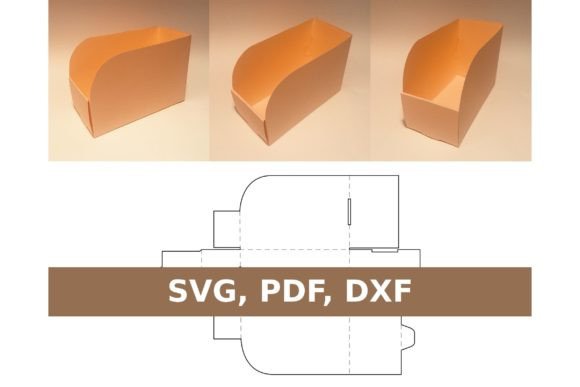
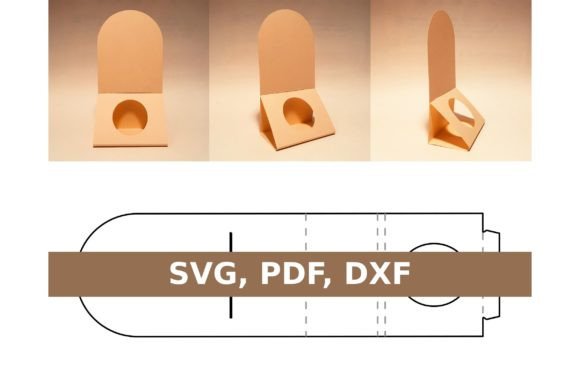
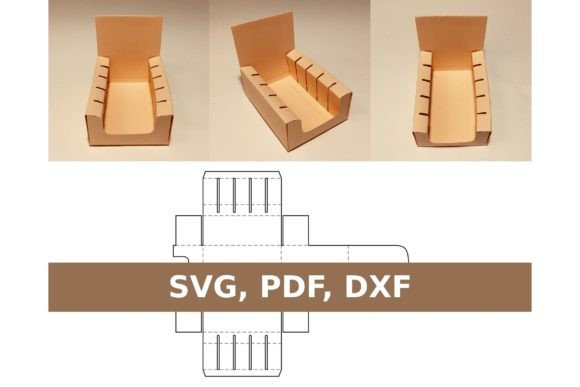
The product description tells us this is a paper box template compatible with Silhouette and Cricut, containing DXF files for laser cutting. At first glance, this seems like a mismatch for an embroidery review. However, in the modern craft ecosystem, lines are blurred. The Card Display isn't just a cut file; it represents a branding opportunity. Imagine a boutique selling custom embroidered tote bags or personalized baby items. The finished product needs presentation. This is where the intersection of laser-cut packaging and embroidered goods creates a high-value customer experience.
Visual Personality and First Impressions
The mood of the Card Display is one of organized elegance. It suggests a space for keeping things in order, which translates beautifully to the aesthetic of a handmade shop. For an embroidery designer, the visual personality of your packaging matters just as much as the stitch quality on your apparel. If you are selling a custom sweatshirt or a set of embroidered kitchen towels, presenting them in a structured, professional box elevates the perceived value immediately.
While the file itself is a vector path for cutting rather than a satin stitch or fill stitch map, its utility lies in how it frames your work. In a real-life scenario, picture preparing a holiday gift set. You have spent hours digitizing a complex floral motif for a pillow cover. Handing that over in a flimsy plastic bag undermines your effort. Using the Card Display as the vessel for your handmade product signals to the buyer that care went into every step, from the thread tension to the unboxing experience.
Real-World Application in Craft Business
Let's talk about practical use cases. As an Etsy seller or small shop owner, consistency is key. The Card Display fits naturally into workflows involving custom apparel, patches, and home decor. Consider a scenario where you are fulfilling an order for a local boutique that sells embroidered caps and aprons. These items often require sturdy protection during shipping. A laser-cut box derived from this template offers a rigid structure that protects the embroidered patch or the stiffened brim of a cap from getting crushed.
Furthermore, this design asset works exceptionally well for digital product sellers. If you offer printable mockups or branding kits for other creatives, including a template for physical packaging adds immense value. It allows your clients to visualize their finished product in a retail-ready state. Whether it's for nursery decor items or wedding gifts, the ability to package these delicate textiles in a dedicated Boxes solution enhances brand recognition.
For those running a craft business, the versatility of the DXF format means you can experiment with different materials. You aren't limited to standard cardstock. Try using textured kraft paper for a rustic look that complements earthy thread colors, or a glossy coated stock for a modern, high-end feel that matches vibrant satin stitch work. The template's compatibility with various paper sizes ensures you can scale the project up for larger blankets or down for small accessories like hair clips or brooches.
Navigating Material and Production Challenges
While the Card Display offers great potential, a professional reviewer must also highlight where caution is needed. Since this is primarily a Laser Cutting project, the challenges differ from stitching, but they impact the final presentation of your embroidery. If you are pairing this box with heavy items like denim jackets or thick blankets, ensure the paper weight is sufficient to support the load without tearing. A collapsed box ruins the illusion of quality.
There are also considerations regarding the environment in which these products live. If your custom apparel is intended for frequent washing, like baby clothes or kitchen towels, the packaging is usually discarded upon receipt. However, if you are creating a keepsake item, such as a commemorative wedding handkerchief or a christening gown, the longevity of the box matters. Advise your customers on proper storage if the box is meant to be part of the heirloom.
When integrating this into your workflow, pay attention to the assembly. Laser-cut edges can sometimes be brittle depending on the material. If you are assembling these in bulk for a large order of holiday embroidery gifts, test the fold lines first. You don't want cracked corners undermining the pristine look of your tote bag design or sweatshirt embroidery. Additionally, if you plan to add your own logo to the box via embroidery or stamping, ensure the surface area is flat enough to handle the additional decoration without warping the structure.
Enhancing Value and Customer Trust
The ultimate goal of any design asset is to boost the value of the final sale. The Card Display contributes significantly to this by providing a cohesive narrative. When a customer receives an order where the packaging reflects the same attention to detail as the stitching, trust is established. It tells them you are a serious professional, not just a hobbyist guessing at dimensions.
This level of presentation affects buyer engagement. In a crowded marketplace, unboxing videos and photos are powerful marketing tools. A well-constructed box makes for a compelling visual on social media, driving traffic back to your shop. It transforms a simple transaction into an event. For commercial embroidery projects, this kind of branding consistency can be the difference between a one-time purchase and a loyal repeat customer.
Practical Notes for Designers
Before committing to a full production run using the Card Display, here are a few practical steps I recommend:
- Test on Scrap Material: Just as you would test a new stitch file on scrap fabric, cut a prototype of the box from your intended paper stock to check fit and fold integrity.
- Check Dimensions: Ensure the internal volume of the box accommodates the bulk of your specific embroidery project, especially if using thick stabilizers or multiple layers.
- Review Licensing: Always confirm the license terms provided with the DXF file. While it is great for personal use, verify if it allows for commercial resale of the assembled boxes or if it's strictly for packaging your own goods.
- Contrast and Texture: Consider how the color of the box interacts with your product. A dark box might make light-colored baby embroidery pop, while a natural tone might better suit rustic home decor.
- Verify File Details: Since specific machine settings or exact dimensions aren't always explicit in general descriptions, double-check the file layers in your vector software before sending to the laser cutter.
In conclusion, the Card Display is more than just a container; it is a strategic tool for the modern maker. By bridging the gap between digital design, laser cutting, and textile arts, it offers a pathway to higher perceived value and professional presentation. Whether you are an experienced decorator or a growing entrepreneur, integrating thoughtful packaging like this can redefine how your small shop product is perceived in the market.