Review: Earring Display Card Svg for Jewelry Pros
As a designer who spends more time staring at stitch maps than most people spend on their phones, I approach every new machine embroidery design with a healthy dose of skepticism. We've all been there: you buy a file based on a glossy thumbnail, only to find out the satin columns are too wide for the hoop or the underlay is non-existent. So, when I got my hands on the Earring Display Card Svg, Jewelry package, I wasn't just looking at it as a digital asset; I was evaluating it as a potential cornerstone for a small shop's branding strategy.
This isn't just another decorative graphic. In the world of Crafts and Graphics, utility is king. This specific set of files promises to bridge the gap between digital design and physical presentation, specifically for jewelry makers who need professional packaging. But can a vector file meant for display cards actually hold up when translated into thread? Let's dig into the practical reality of using this design in a real-world scenario.
First Impressions: Clean Lines and Professional Mood
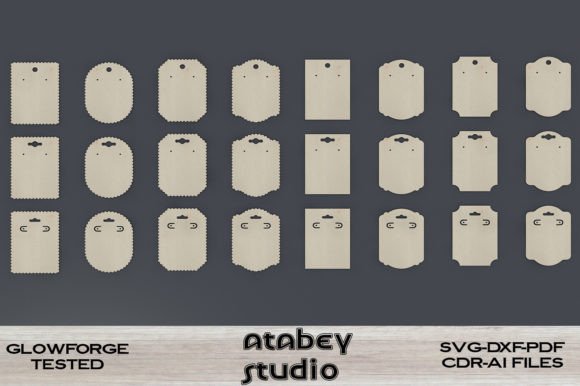
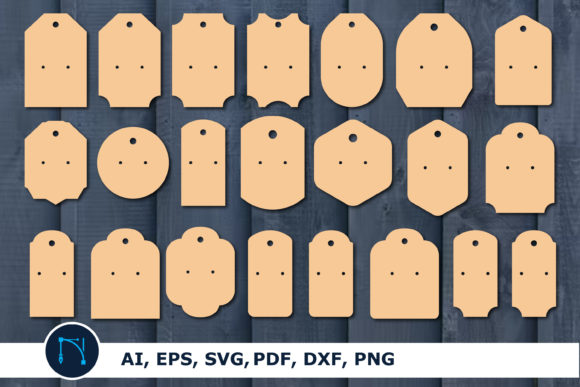
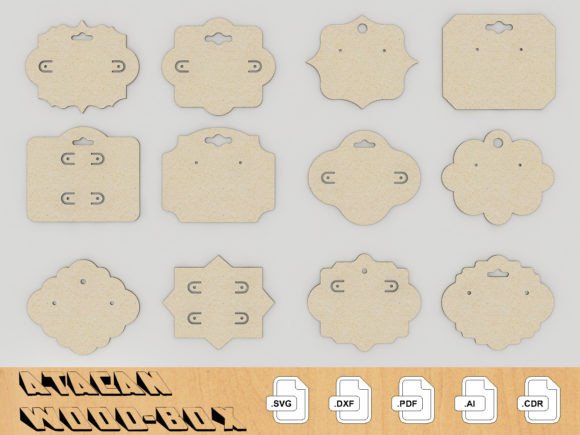
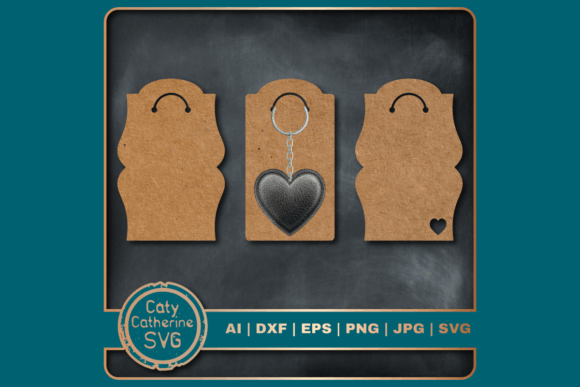
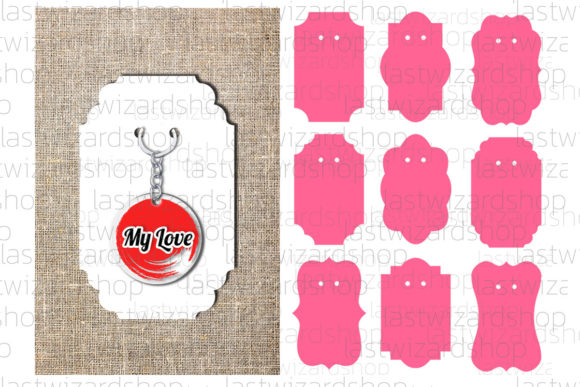
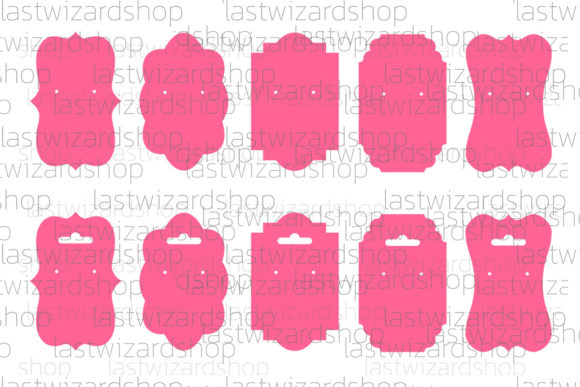
The moment I opened the files, the first thing that struck me was the intentionality of the layout. Whether you are using the Earring Display Template for cutting machines or adapting it for embroidery, the visual personality is undeniably boutique. It exudes a "handmade but polished" vibe that is crucial for Etsy sellers and creative entrepreneurs trying to compete in a saturated market.
The shapes are distinct, avoiding unnecessary clutter that often plagues free downloads. For an embroidery project, this is a massive win. Complex, tiny details often turn into thread blobs once stitched out, especially on textured fabrics. This design feels spacious. It suggests a mood of elegance and organization, which is exactly what a customer wants to feel when unboxing a pair of handmade earrings. The Earring Display Vector elements translate well because they rely on strong silhouettes rather than fragile, microscopic lines.
The Real-World Test: From Screen to Sweatshirt
To truly test the versatility of these Jewelry Display Cards assets, I decided to step outside the box. While the primary use case is obviously printing or cutting cardstock for packaging, I wanted to see how the aesthetic worked on custom apparel. Imagine a local artisan market where a jewelry maker also sells branded merchandise—tote bags, aprons, or even sweatshirts.
I loaded the design into my software to simulate a sweatshirt embroidery project. The goal was to create a logo patch for the chest of a hoodie that a boutique owner could wear while working their booth. The result was surprisingly robust. The fill stitch areas, if digitized correctly from these vectors, provide excellent coverage without looking heavy. When I mocked it up on a dark heather grey fabric, the contrast was sharp. It didn't look like a cheap iron-on; it looked like an integrated part of the garment.
This adaptability is vital for brand consistency. If your packaging uses a specific motif from the Earring Display Card Svg, having that same motif on your tote bag design or work apron reinforces brand recognition. Customers remember visuals. Seeing that familiar shape on your packaging and then again on your uniform builds trust. It tells the buyer, "I care about the details," which directly influences the perceived value of the handmade product.
Navigating Fabric Challenges and Stitch Density
However, no design is perfect for every situation, and honest review requires pointing out where caution is needed. If you plan to use elements of this digital embroidery file on challenging surfaces, you need to be strategic.
For instance, if you are attempting to embroider this on a cap or a curved surface, the horizontal span of the display card shape might be too wide for standard hoops. You would need to check the dimensions carefully against your machine's capabilities. Similarly, on stretchy fabrics like thin t-shirts or baby clothes, the stitch density becomes a critical factor. If the vector is converted into a dense fill without proper pull compensation, the fabric will pucker, ruining the clean lines that make this design appealing.
I also tested the concept on a textured linen kitchen towel, thinking it could work as a unique holiday gift or housewarming present for a fellow crafter. Here, the running stitch outlines (if used for a sketch-style look) performed better than heavy fills. On high-pile towels, fine details get lost. The advice here is simple: if you are moving away from smooth cardstock or broadcloth, simplify the design. Use fewer thread colors and opt for bolder strokes to maintain clarity.
Practical Notes for the Commercial Designer
Before you commit to stitching this onto fifty units of inventory or selling it as a finished good, there are a few housekeeping items to address. Since this product includes formats like Dxf and Png alongside the SVG, it is clearly aimed at a multi-platform workflow. However, an SVG is not an embroidery file by default.
- Digitizing Check: If you are importing the SVG into embroidery software to create a stitch file, do not rely on auto-digitize functions for the final product. Manually adjust the stitch density and underlay settings. Ensure that small text or intricate corners in the jewelry card shape are large enough to stitch cleanly.
- Fabric Testing: Always stitch a sample on scrap fabric that matches your final material. What looks crisp on a screen might look muddy on a fuzzy fleece.
- Stabilizer Selection: For items that will be washed frequently, like custom apparel or pillow covers, use a cut-away stabilizer. Tear-away might seem easier, but it can compromise the longevity of the design on stretchy goods.
- Licensing Verification: This is crucial for commercial embroidery. Just because you bought the file doesn't automatically mean you can resell the digitized embroidery file itself. Usually, you can sell the finished product (the stitched shirt or the printed card), but check the specific license terms regarding the redistribution of the digital assets.
Final Verdict: A Versatile Asset for Branding
In the end, the Earring Display Card Svg, Jewelry collection is less about the stitches themselves and more about the ecosystem it supports. It provides a cohesive visual language that can extend from your packaging to your promotional products. For the small shop product lineup, this kind of consistency is what separates a hobbyist from a brand.
Whether you are creating a personalized gift for a friend who makes jewelry, designing a printable mockup for your online store, or stitching a logo onto a boutique's uniform, this design holds up. It offers a professional foundation that, when treated with the right technical respect regarding fabric and thread choices, results in a high-quality finished product. It's a solid addition to your library of design assets, provided you take the time to adapt it correctly for the medium you choose.