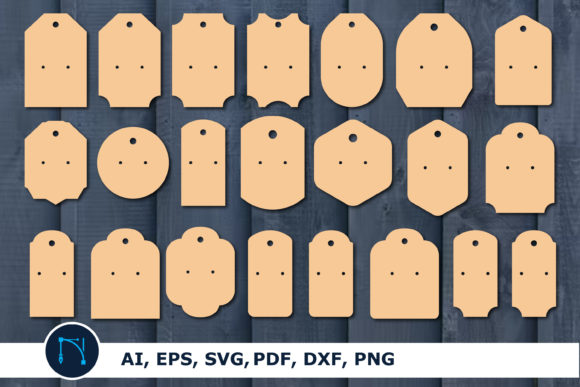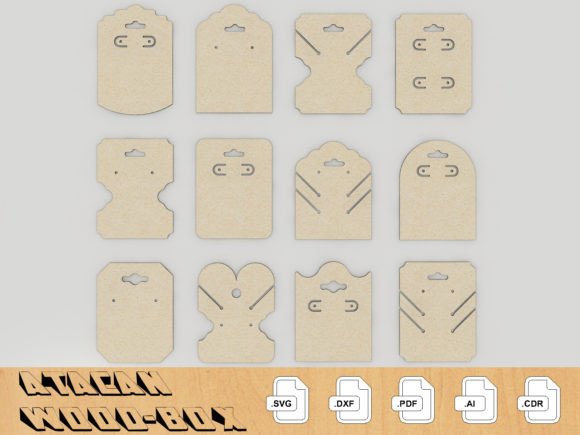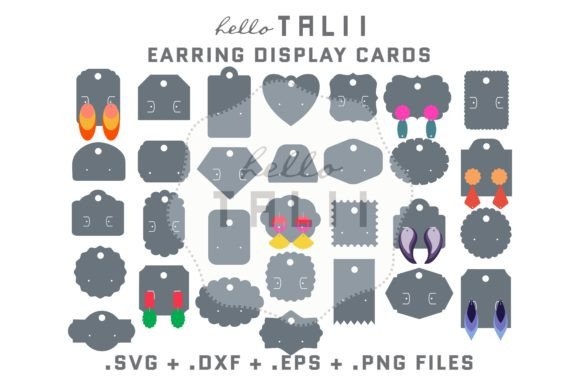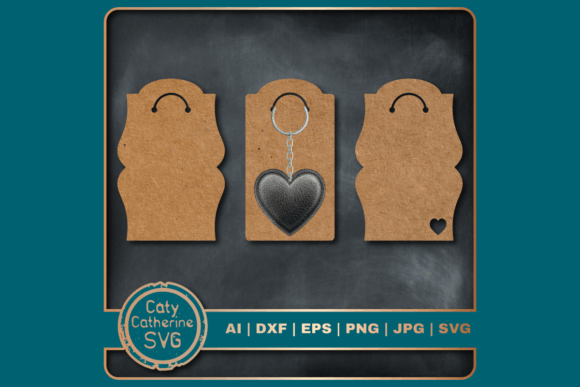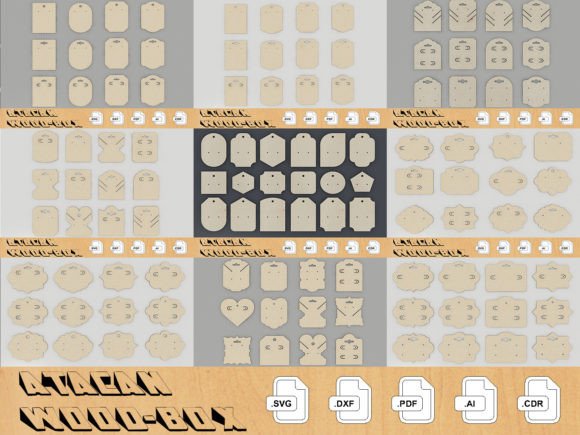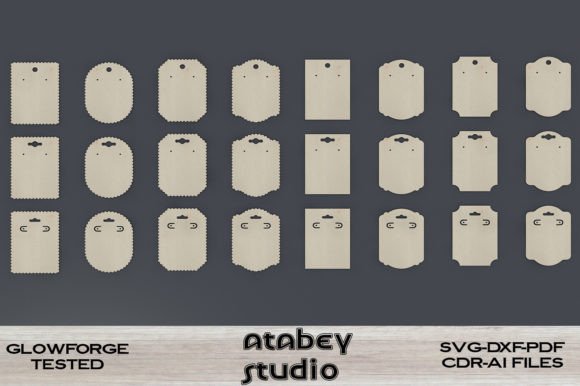
Jewelry Earring Display Cardboard Files for Crafts and Graphics
When a local boutique owner approached me last week to revamp their packaging for an upcoming holiday pop-up, the brief was specific: they needed something that felt handmade yet undeniably premium. They sell artisanal earrings, and their current presentation was functional but lacked the "unboxing" moment that drives social media shares. This is where I turned my attention to the Jewelry Earring Display Cardboard Files. As a designer who constantly sifts through endless digital products on creative marketplaces, my first impression of this asset was one of structural elegance. It isn't just a flat graphic; it is a functional blueprint designed to elevate physical products.
First Impressions and Visual Mood
Opening the file folder, the immediate takeaway is the precision of the vector lines. For a project rooted in Crafts and tangible goods, the mood these files create is one of organized sophistication. The design language speaks directly to the handmade business sector, offering a clean canvas that allows the product itself to be the hero. Unlike generic templates that feel mass-produced, these Graphics possess a tailored feel, suggesting that the brand cares about the details. The visual elements are minimalistic by necessity, ensuring that when cut from kraft cardboard or premium cardstock, the focus remains entirely on the jewelry resting within the slots.
This asset fits naturally into projects requiring a blend of utility and aesthetics. It is perfect for small business branding initiatives where the packaging is as much a marketing tool as the product itself. Whether for a seasonal campaign or a permanent fixture in an Etsy shop, the style represents a modern approach to retail display that respects both the maker's time and the customer's experience.
Performance in Real Design Scenarios
In my line of work, a graphic design asset must prove its worth across various applications. While the primary function here is physical display, the versatility of these files extends further. For logo design and brand identity projects, having a reliable mockup structure is invaluable. I often use such templates to create product mockups for client presentations before a single piece of paper is cut. This helps stakeholders visualize the final packaging design and approve the direction quickly.
Beyond the box, these files support a wider ecosystem of marketing visuals. Imagine creating social media graphics for Instagram or Pinterest; having a consistent display card design allows for cohesive editorial design in blog posts or lookbooks. For Cricut projects and users of machines like Cameo, Silhouette, or Brother, the utility is immediate. These files are engineered for compatibility with laser cutting and paper cutting printing machines, making them a robust choice for print-on-demand sellers who need to outsource production or for crafters cutting their own inventory.
The asset shines brightest in large layout areas where the structural integrity of the design can be appreciated, such as in hero graphics for a website launch or detailed packaging details for a themed collection. It serves as a decorative accent that reinforces the brand's commitment to quality. However, it is crucial to understand where to apply caution. In crowded layouts or when scaled down to very small sizes for intricate sticker designs, the fine cut lines might lose definition. It is less suitable for minimalist corporate materials that require strict, rigid visual hierarchy without the organic feel of a die-cut structure.
Impact on Brand Perception and Hierarchy
The choice of display hardware profoundly affects visual hierarchy and audience engagement. When a customer receives an earring on a flimsy, ill-fitting card, it undermines the perceived value of the jewelry. Conversely, using a well-engineered Jewelry Earring Display Cardboard Files template enhances visual trust. It signals professionalism and attention to detail, which are critical for emotional appeal in the luxury and handmade sectors.
This asset supports brand consistency by providing a standardized format for all products. Whether the client is selling studs or dangling chandeliers, the uniformity of the display card creates a recognizable signature for the brand. In terms of commercial design, this level of polish can be the difference between a one-time purchase and a loyal customer base. It transforms a simple transaction into a curated experience, boosting the overall impression of the design project.
Practical Designer Notes for Implementation
Before integrating this into a final client deliverable, there are several technical checks I always perform. First, test the design in black and white to ensure the cut lines and fold marks are distinct from any decorative elements. Check the contrast on both light and dark backgrounds if you plan to print colored stock. It is essential to preview the file at both small and large sizes to verify that the tolerance for the earring holes is accurate for the specific thickness of the material being used.
Always place the design on real product mockups to gauge the 3D effect. If you are sending this to a printer, test the print quality on the actual substrate—whether it is recycled kraft or glossy cardstock. Review the file formats carefully; these files are ideal for machines using SVG, DXF, PDF, AI, and CDR formats. Ensure the SVG or vector editability is intact so you can adjust dimensions if the client's product line evolves. If PNG versions are included for digital previews, inspect the transparency to ensure clean edges for web use.
Compare how this structural element pairs with your chosen typography. Does it complement a serif font for a classic look, or does it clash with a handwritten font intended for a whimsical vibe? Finally, and most importantly, confirm the commercial license before using it for a client or business project. Understanding the rights associated with the design bundle ensures you are protected when delivering creative design solutions to paying customers.
In conclusion, the Jewelry Earring Display Cardboard Files represent more than just a cut pattern; they are a strategic tool for enhancing small business branding. By bridging the gap between digital precision and tactile reality, this asset empowers designers to create memorable unboxing experiences that resonate in today's competitive creative marketplace.