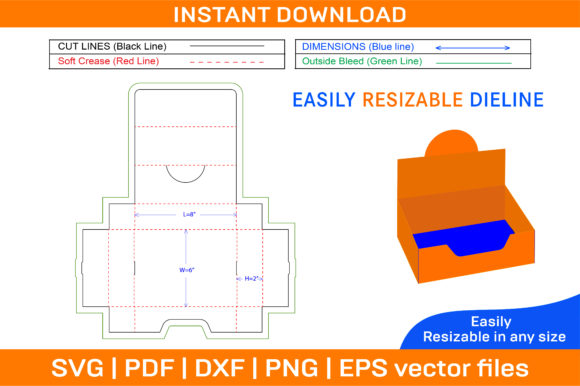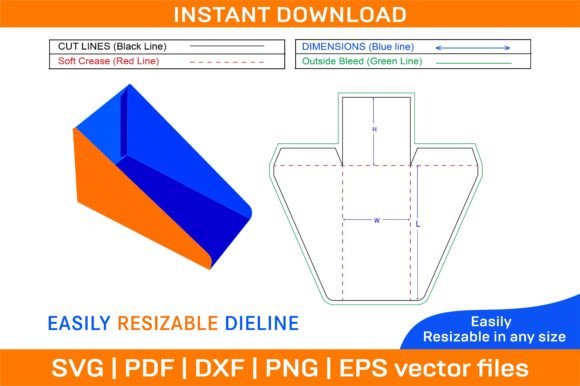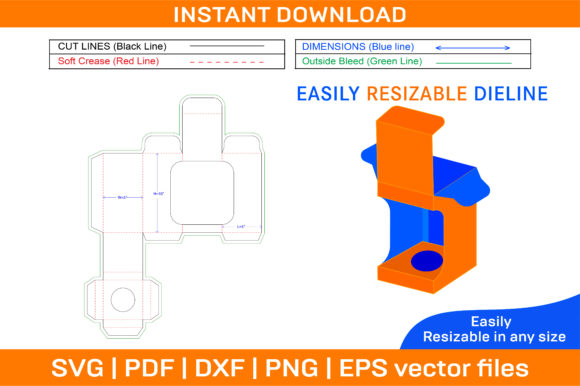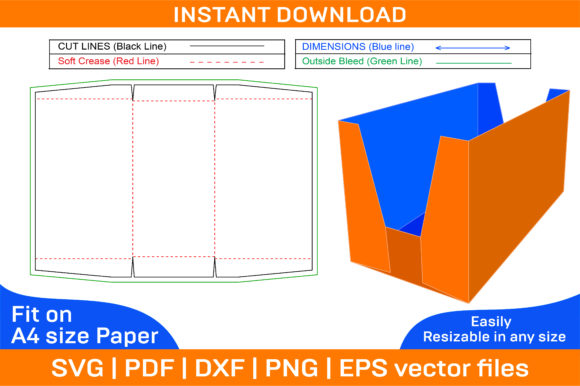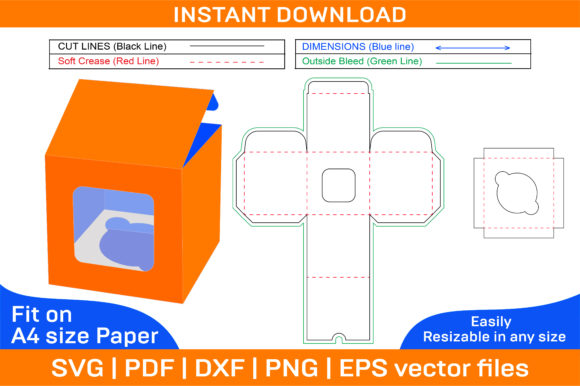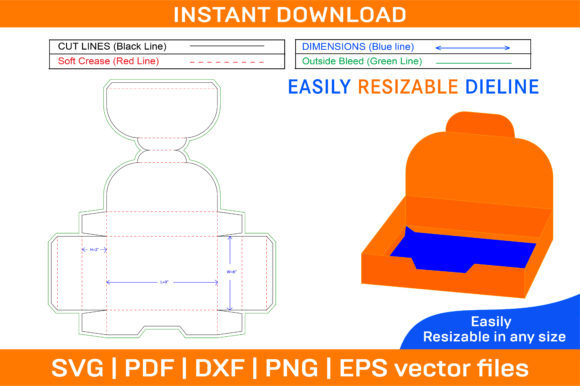
Cardboard Counter Display Box Dieline: Graphics & Print Templates
As a digital publisher who has spent years curating the visual identity of multiple content hubs, I approach every new graphic design asset with a specific set of criteria. It is not enough for an image to look good in isolation; it must perform within the chaotic ecosystem of a live website, a newsletter inbox, and a social media feed. When I first opened the files for the Cardboard Counter Display Box Dieline, my immediate reaction was one of appreciation for its structural clarity. This is not merely a static image; it is a functional blueprint that bridges the gap between digital presentation and physical reality. For bloggers and small business owners looking to elevate their editorial design, this asset offers a unique opportunity to showcase products with a level of professionalism that standard stock photography often lacks.
The visual mood created by this dieline is distinctly industrial yet accessible. It speaks to the "maker" economy, appealing to audiences interested in craftsmanship, packaging design, and tangible product creation. Unlike overly decorative or abstract assets, this template feels grounded and educational. It naturally supports content niches focused on DIY projects, small business branding, e-commerce logistics, and sustainable packaging solutions. The clean lines and precise geometry of the paper box layout provide a neutral canvas that allows your headline text and brand colors to take center stage, ensuring that the visual hierarchy remains intact regardless of where you place it.
Integrating Structural Design into Your Publishing Workflow
In my own workflow, the versatility of the Cardboard Counter Display Box Dieline became apparent almost immediately. While the primary function of a dieline is obviously for manufacturing a folding box or foldable box, its utility in content marketing extends far beyond the factory floor. I envision this asset serving as the cornerstone for high-converting Pinterest pins. The technical nature of the line art draws the eye of entrepreneurs and designers scrolling through their feeds, promising valuable, actionable information inside the linked article.
Furthermore, this asset is exceptional for creating digital guides and lead magnets. Imagine offering a free downloadable resource on "How to Package Your Handmade Goods" where the cover features a rendered version of this printable box template. The inclusion of 3D box design elements in the preview files allows you to create realistic mockups without needing expensive photography setups. This is crucial for affiliate marketing pages where you need to demonstrate the quality of a product or service visually. By using these Print Templates and Graphics in your website header or category thumbnails, you establish an instant association with precision and quality.
The file formats included in the ZIP archive—SVG, PDF, EPS, DXF, AI, and PNG—ensure compatibility with virtually any design software you might be using, from Adobe Illustrator to Canva. Having access to vector formats like SVG and EPS means you can scale the cardboard counter display box dieline template to any size without losing resolution, which is vital for maintaining crisp blog graphics on high-DPI retina displays. The PNG files are ready-to-use for quick social media updates, while the editable source files allow for deep customization to match your specific brand identity.
Boosting Reader Trust and Click-Through Rates
Visual consistency is the bedrock of reader trust. When a visitor lands on your site and sees polished, coherent imagery, they subconsciously attribute that same level of care to your written content. The Cardboard Counter Display Box Dieline supports this by providing a professional aesthetic that screams competence. Using this asset in your editorial layouts can significantly improve your click-through potential. A well-designed thumbnail that utilizes the geometric appeal of a paper box structure stands out against the sea of generic lifestyle photos that dominate most content feeds.
This asset helps solve a common problem for niche publishers: how to make technical or logistical topics visually engaging. By incorporating the dieline into your social media graphics or newsletter headers, you transform dry subjects into visually stimulating content. It creates a stronger first impression, signaling to the reader that the content behind the link is detailed, well-researched, and valuable. For small business branding, showcasing your ability to understand packaging mechanics through your visuals can be a powerful trust signal for potential clients or customers.
Strategic Placement and Visual Hierarchy
To get the most out of this creative design tool, placement is key. It works exceptionally well as a hero image for tutorials on packaging design or as a background element for text-heavy infographics. The open structure of the dieline provides natural negative space, perfect for overlaying bold typography. I recommend testing it alongside various font styles; it pairs surprisingly well with both modern sans-serif fonts for a clean look and handwritten script fonts to add a personal, artisanal touch. This flexibility makes it a robust addition to your library of design assets.
However, caution is required when deploying this asset on mobile devices. The intricate cut lines and fold marks of a foldable box dieline can become muddy if scaled down too small. Avoid using the most detailed versions of the file for tiny mobile thumbnails where the lines might blur into a gray mess. Additionally, be mindful of contrast. If you place white line art over a light background, readability suffers. Always preview your web design elements in black and white to ensure the visual hierarchy holds up even when color is removed. This is particularly important for commercial design projects where accessibility and clarity are paramount.
Practical Notes for the Modern Publisher
Before integrating the Cardboard Counter Display Box Dieline into your monetized content, there are several practical steps to take. First, always verify the commercial license terms. As a publisher, you need to be certain that your usage in affiliate posts, paid courses, or client work complies with the creator's guidelines. Second, optimize your file sizes. While vector files are great for editing, ensure you export web-optimized PNGs or JPGs to keep your page load speeds fast. A slow-loading website header can kill your SEO rankings and user experience.
Finally, treat this asset as a foundation for experimentation. Use it to create Canva templates for your team, develop downloadable printables for your audience, or craft unique digital product covers. The creative marketplace is saturated with generic imagery, but a specialized tool like this digital download offers a distinct competitive edge. By leveraging the technical beauty of the cardboard counter display box dieline template and 3D box design, you can create content that not only looks professional but also resonates deeply with an audience that values precision, creativity, and tangible results.