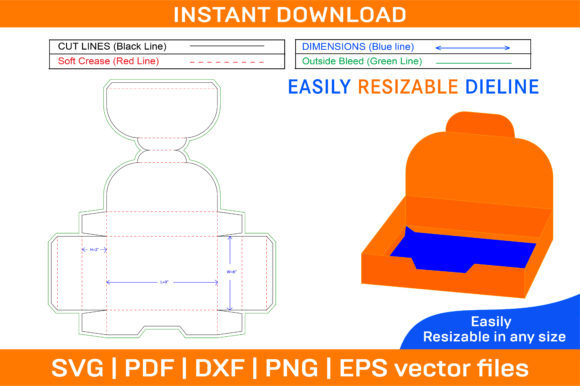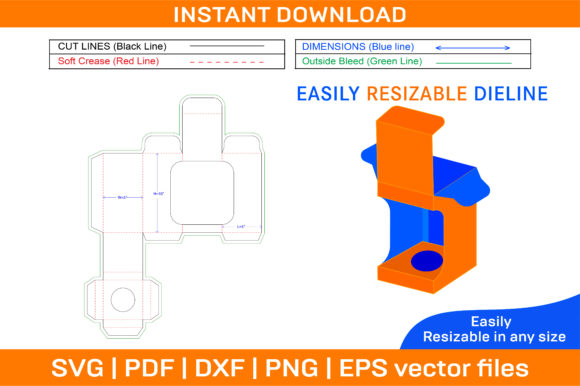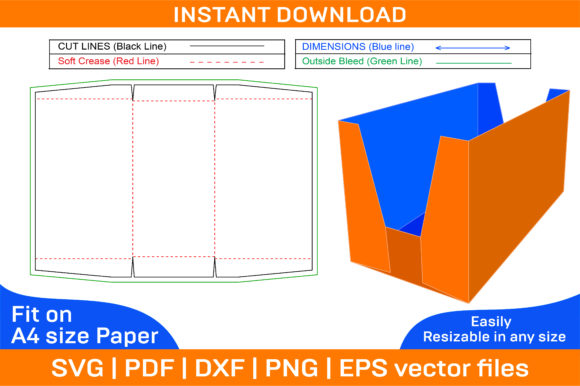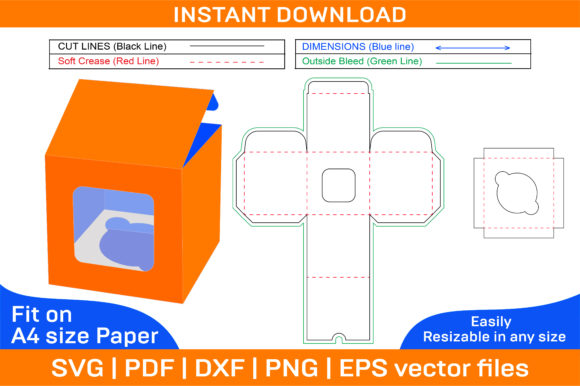
Display Cardboard Box Dieline Template: Graphics & Print Templates
As a brand designer who has spent the last decade refining visual identities for small businesses and digital entrepreneurs, I approach every new graphic design asset with a critical eye. It is not just about whether a file looks good in isolation; it is about how it functions within a broader ecosystem of marketing visuals and brand identity. Recently, I had the opportunity to review the Display Cardboard Box Dieline Template as part of a mock product launch for a lifestyle client. This review breaks down how this specific asset performs in real-world scenarios, from packaging design to social media campaigns.
First Impressions: Structural Precision Meets Creative Flexibility
Upon opening the archive, the immediate impression is one of professional readiness. In the world of Print Templates, accuracy is non-negotiable. A dieline that is off by a millimeter can ruin a production run. This Display Cardboard Box Dieline Template delivers on precision. The mood it creates is one of organized creativity. It does not feel like a rigid industrial blueprint; rather, it feels like a canvas waiting for modern design elements to be applied.
For brand owners and content creators, the emotional tone here is "trustworthy professionalism." When you present a product in a box that fits together perfectly, it signals to your audience that you care about details. Whether you are launching handmade soaps, artisanal candles, or a limited-edition merchandise drop, this asset supports a perception of quality. It is suitable for everything from casual branding for a local market stall to premium visuals for a high-end e-commerce unboxing experience.
Integrating the Asset into a Real Marketing Campaign
To test the versatility of this design bundle, I imagined a scenario where a small business is launching a seasonal gift set. The goal was to create a cohesive look across physical packaging and digital promotion. The Display Cardboard Box Dieline Template proved to be the anchor for this campaign.
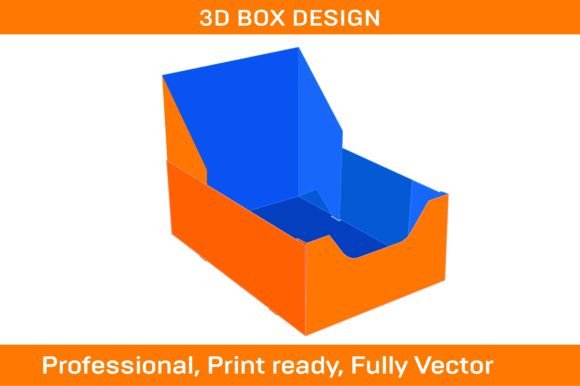
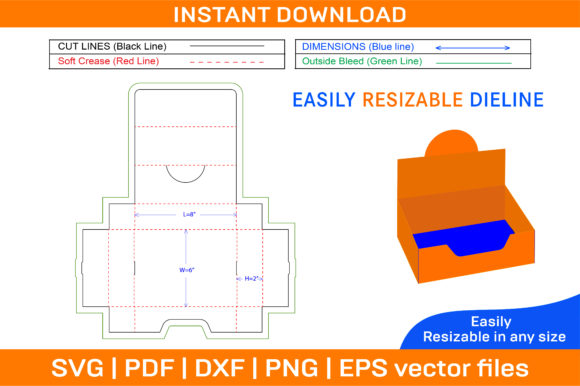
The ZIP archive contains SVG, PDF, EPS, DXF, AI, and PNG files, which is a crucial detail for workflow efficiency. Having access to vector formats like AI and EPS allows for infinite scaling without loss of quality, essential for large format posters or trade show displays. Meanwhile, the PNG files offer immediate utility for social media graphics. I used the 3D box design render to create Instagram posts and Pinterest pins, giving followers a realistic preview of the product before it even hit the shelves. This bridges the gap between packaging design and digital ads, ensuring the customer knows exactly what to expect.
Elevating Brand Identity Across Multiple Touchpoints
The true power of this asset lies in its adaptability across various mediums. Here is how it performs in specific marketing situations:
- Packaging Design: As a folding box template, it provides the structural backbone for custom product labels. You can easily overlay your logo and brand patterns onto the flat lay to visualize the final fold.
- Social Media Graphics: The included 3D renders are perfect for Facebook ads and Instagram Stories. They add depth to flat feeds, making the content stop the scroll.
- Web Design: Use the clean lines of the dieline as a background element for website headers or hero graphics to subtly reinforce the tangible nature of your products.
- Email Banners: Incorporate the box visual into newsletter headers to announce new arrivals or special offers, creating a consistent visual language.
- Editorial Design: For bloggers and publishers, the template serves as an excellent prop in flat-lay photography or as a graphical element in magazine-style blog posts.
By using the same structural base for both the physical box and the digital imagery, you achieve a stronger visual hierarchy. This consistency builds audience trust and strengthens brand recognition. Customers begin to associate that specific box shape and style with your brand, making your campaign visuals more memorable.
Strategic Placement: Where This Asset Shines
This Display Cardboard Box Dieline Template works best when it is the hero of the show or a supportive frame for your core message. It is ideal for product launch visuals where the packaging itself is a selling point. It excels in branded templates for content bundles, allowing coaches and course creators to visualize their physical workbooks or kit boxes.
It is also highly effective for promotional banners during holiday seasons. Imagine a "Black Friday" sale where the graphic features this box design overflowing with products; it instantly communicates value and tangibility. For decorative brand elements, the clean lines of the dieline can be used as a subtle watermark or border in your media kits, adding a touch of professional branding without overwhelming the text.
Cautions and Limitations for Smart Designers
While this is a robust creative design tool, there are contexts where it should be used carefully. If you are working on formal corporate branding for a law firm or a financial institution, a cardboard box aesthetic might feel too retail-focused or informal unless specifically tied to a document storage solution.
Additionally, avoid using the detailed dieline in dense information layouts. If your ad copy is text-heavy, the lines of the box template can compete with the message, causing visual clutter. On small mobile graphics, intricate fold lines may disappear or look like noise; in these cases, rely on the simplified PNG versions or the 3D render rather than the full technical drawing. Finally, be cautious with low-contrast backgrounds. Ensure your box design pops against the background color to maintain readability and impact.
Practical Notes from a Brand Designer
Before integrating this asset into a paid campaign or client work, consider these practical steps to ensure commercial design success:
- Test with Your Palette: Apply your specific brand colors to the template immediately. See how your primary and secondary hues interact with the shadows and highlights of the 3D design.
- Check Black and White Usage: Verify how the design holds up in monochrome. This is vital for cost-effective printing or minimalist aesthetic choices.
- Mockup Reality: Place the design inside real campaign mockups. Does it look like a flimsy piece of paper, or does it have weight? Adjust your lighting effects if necessary.
- Mobile Preview: Always preview your graphics on a mobile screen. What looks crisp on a desktop monitor might lose definition on a smartphone.
- Typography Pairing: Experiment with different font styles. This structural template pairs beautifully with bold display fonts for headlines, but also balances well with clean sans serif fonts for body copy. Avoid overly decorative script fonts on the fold lines themselves, as they can become illegible.
- Licensing Check: Always confirm the commercial license terms before using the asset in client work or for products you intend to sell. Ensure you have the rights for unlimited prints if you are mass-producing packaging.
In conclusion, the Display Cardboard Box Dieline Template is more than just a technical file; it is a strategic tool for content marketing and small business branding. By providing a bridge between physical product reality and digital storytelling, it empowers designers to create cohesive, trustworthy, and visually stunning campaigns. Whether you are a digital seller creating a product mockup or a brand owner refreshing your packaging, this asset offers the flexibility and professionalism needed to stand out in a crowded creative marketplace.