Reviewing the Medal Display Rack for Runners
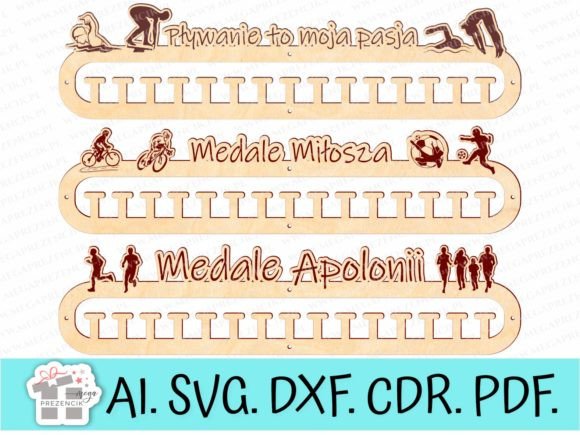
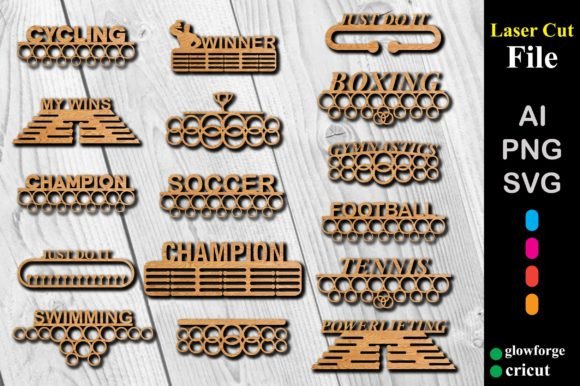
As a designer who spends most of my days digitizing files and reviewing machine embroidery design assets for small shop owners, I approach every new file with a critical eye. We are not just looking at pretty pictures on a screen; we are evaluating how a design will behave under the needle, how it will drape on a sweatshirt embroidery project, or whether it will hold up as a centerpiece for a boutique product. Today, I am taking a close look at the Medal Display Rack, Running Medal Holder. While the source files indicate these are primarily designed for Laser Cutting machines like the Glowforge Pro, offering formats such as SVG, DXF, PDF, AI, and CDR, my focus is on how this concept translates into the world of textile art and Wall Decor for the serious runner.
First Impressions and Visual Personality
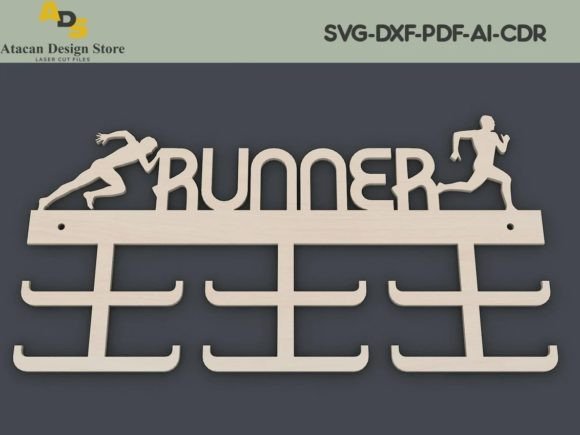
The moment you pull up the vector lines for the Medal Display Rack, Running Medal Holder, the intent is clear. This is not a whimsical, childish motif; it carries a mood of achievement and structured pride. The layout suggests a functional piece of Wall Decor meant to showcase hard-earned finishes rather than hide them away in a drawer. For an embroidery designer, the clean lines and geometric balance of the rack structure offer a fantastic opportunity to interpret the form through thread.
Visually, the design feels industrial yet celebratory. It has a strong horizontal presence, which makes it naturally suited for wide placement areas. When I imagine this translated from a laser-cut wood file into an embroidery file, I see potential for bold fill stitch work to mimic the solidity of a wooden beam, contrasted with delicate running stitch outlines to suggest the hooks where medals would hang. The visual personality is one of organization and honor, making it an ideal candidate for high-end custom apparel or home goods that celebrate athletic milestones.
Real-World Application: The Marathon Finisher Gift
To truly test the viability of this design, let's walk through a real-life scenario. Imagine a client comes to your craft business requesting a personalized gift for a spouse who just completed their first marathon. They want something more substantial than a standard t-shirt. You decide to create a heavy-weight canvas tote or a structured apron that can serve as a "race day prep" bag, featuring the Medal Display Rack, Running Medal Holder prominently on the front.
In this context, the design shines. Because the original concept is rooted in physical display, embroidering it onto a tote bag creates a meta-narrative—the bag itself becomes a symbol of the storage and care the runner gives their gear. If you were to adapt the vector lines into an applique design, using a contrasting fabric for the "rack" portion against the canvas background, you could achieve a texture that mimics the laser-cut wood aesthetic mentioned in the product description. The customer reaction here would likely be one of deep appreciation, as it shows you understood the specific culture of running and the value of their achievement.
Alternatively, consider a holiday embroidery project for a running club. Creating pillow covers for each member featuring this rack design, perhaps with their finish time stitched below in a clean sans-serif font, would make for a cohesive and professional-looking set of gifts. The finished product would feel less like a generic craft item and more like a piece of branded merchandise you'd find in a high-end running boutique.
Navigating Technical Challenges in Stitching
However, moving from a laser-cut concept to thread requires careful judgment. The Medal Display Rack, Running Medal Holder relies on straight lines and specific angles to look authentic. When working with stitch density, one must be cautious. If the "beam" of the rack is too dense, it may cause puckering, especially on stretchy fabrics like jersey knits used for baby embroidery or lightweight tees. Conversely, if the density is too low, the design may look sparse and fail to convey the solidity of a real rack.
There are specific situations where this design demands extra attention. If you are stitching on textured fabrics, such as a waffle-knit towel or a rough linen, the fine details of the hook mechanisms might get lost. In these cases, simplifying the design to its essential shapes is crucial. Similarly, if you are attempting to place this on a curved surface like a cap, the long horizontal span of the rack could distort. Caps require designs that are compact and centered; a wide display rack might wrap awkwardly around the crown unless significantly resized, which risks losing the clarity of the smaller elements.
Dark fabrics present another consideration. Since the original files are vector-based for cutting, they rely on silhouette. In embroidery, you must ensure your thread colors provide enough contrast. A dark grey thread on a black sweatshirt will render the Medal Display Rack, Running Medal Holder invisible. Opting for metallic threads or bright, high-contrast colors can help the design pop, simulating the look of polished metal or stained wood.
Elevating Brand Value and Customer Trust
For Etsy sellers and handmade shop owners, the choice of design directly impacts perceived value. Using a well-thought-out motif like this signals to the buyer that you understand their niche. It moves the conversation from "I sell embroidered items" to "I create specialized gear for runners." This specificity builds trust. When a customer sees a personalized gift that accurately reflects their passion, they are more likely to engage with your brand, leave positive reviews, and return for future design assets.
The professionalism of the final stitch-out also affects giftability. A clean, crisp execution of the rack's lines suggests quality control. Sloppy corners or uneven satin stitch borders on the hooks can detract from the message of precision and discipline associated with running. Therefore, the visual appeal of this design is tied heavily to technical execution. It serves as a litmus test for the embroiderer's skill level.
Practical Notes for the Professional Designer
Before committing this design to a client project, there are several practical steps I recommend. First, since the source material specifies laser cutting files (SVG, DXF, etc.), you will need to ensure you have the appropriate software to convert or trace these vectors into a stitch format compatible with your embroidery machine. Do not assume the file is ready-to-stitch without verification.
- Test on Scrap Fabric: Always run a sample on the exact fabric weight you intend to use. Check how the stabilizer holds up under the weight of the long horizontal stitches.
- Check Hoop Size: Verify that your hoop size can accommodate the width of the rack. If the design is too wide, you may need to re-digitize it to fit standard hoops without compromising the aspect ratio.
- Review Stitch Density: Inspect the fill areas. If they are too dense for the fabric, reduce the density percentage to prevent stiffness.
- Mockup Testing: Create black and white mockups to ensure the design reads clearly without relying on color. This is vital for printable mockup previews in your online store.
- Licensing Verification: Confirm the licensing terms before selling. Just because a file is available for laser cutting does not automatically grant rights for commercial embroidery sales. Ensure you are cleared to use the design for commercial embroidery projects.
In conclusion, the Medal Display Rack, Running Medal Holder offers a compelling narrative for embroidery professionals willing to adapt its form. While born in the realm of Laser Cutting and Wall Decor, its structural elegance translates beautifully into thread when handled with care. By respecting the technical limitations of fabric and focusing on the emotional resonance of the runner's journey, this design can become a standout element in your portfolio of small shop products.